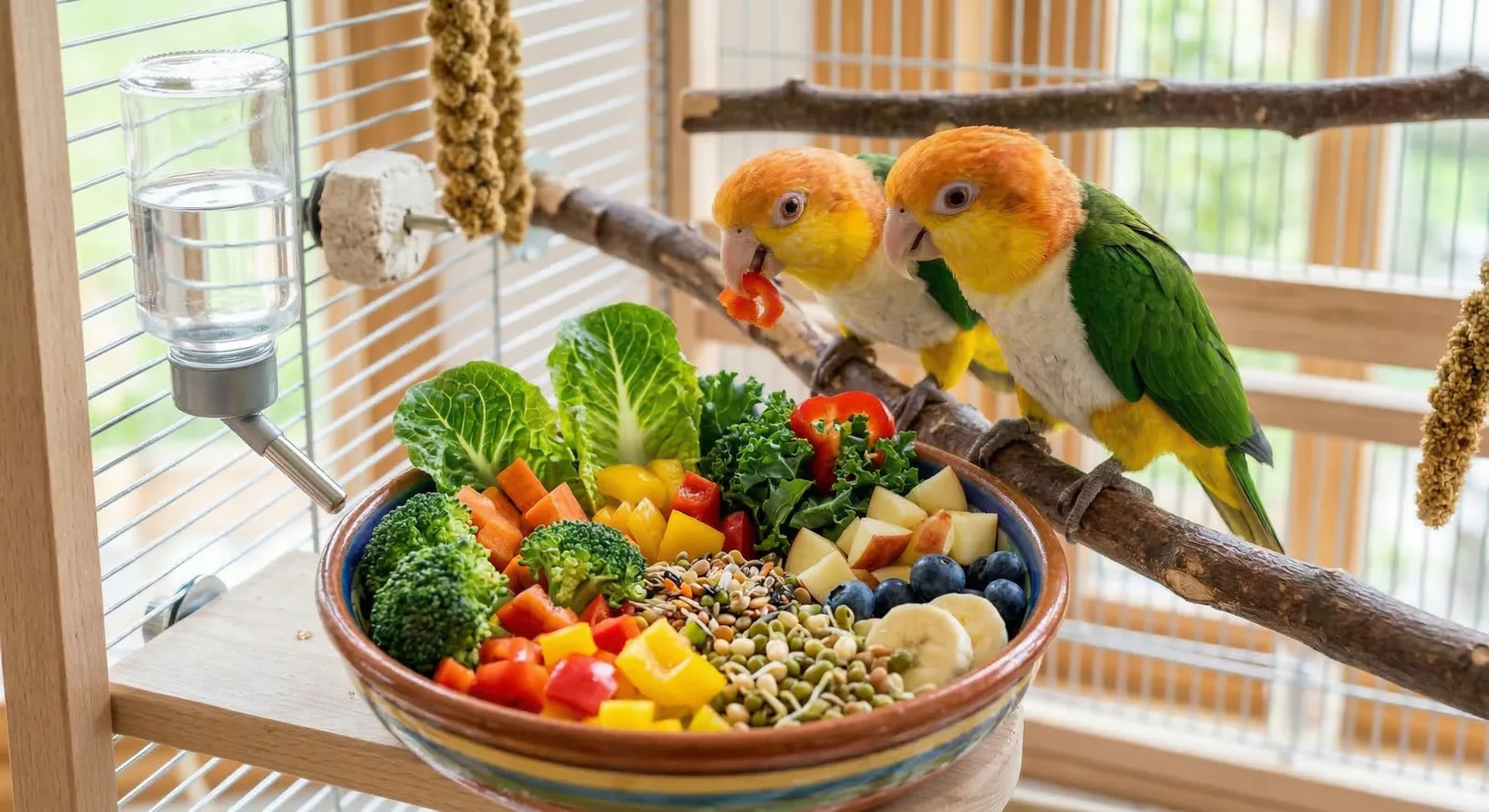
A toy in a cage isn't just for decoration; it's there to keep your bird from getting bored out of its mind. In the wild, parrots spend their days searching, chewing, and destroying things. If they don't have dedicated toys for this at home, they'll turn to your wallpaper, furniture, or even their own feathers. The rule of thumb is simple: the best toy is one that can be safely destroyed.
What birds actually love
Parrots are the biggest fans of wood and natural cork. They need to feel resistance when they bite, so branches from lime, willow, or birch trees are perfect. Toys made from vine or palm leaves are also great. They're lightweight, and birds love shredding them into tiny pieces.
Foraging toys are another huge hit. These are essentially puzzles where food is hidden. You can even just wrap some seeds in plain paper or hide a nut inside a small cardboard box. By the time the parrot gets to the treat, they've burned a lot of energy, making it the perfect mental workout.
Bath time on sunny days
When it gets warm and sunny outside, parrots usually get a burst of energy, making it the perfect time for a bath. You can place a wide, shallow bowl of clean water inside or near the cage. It's important that it isn't deep: your bird should feel comfortable just stepping into it.
Many parrots love bathing on warm days because their feathers dry faster, and sunlight is great for their overall health. Just make sure the bowl isn't in a drafty spot, and it's best to remove or change the water right after they're done, as it gets dirty pretty quickly.
Dangerous items to avoid
Pet stores are often full of junk that you really shouldn't buy. Mirrors are at the top of that list. They can be a psychological nightmare: the bird thinks the reflection is another bird, tries to bond with or protect it, and ends up aggressive or depressed.
Cotton ropes are another no-go. Birds chew on them, and the fibers can accumulate in their digestive tract, causing serious blockages. The same goes for cheap bells. Parrots often rip out the small metal clapper inside and might swallow it. When it comes to hooks, stick to stainless steel screw-lock carabiners. Regular spring clips are dangerous because birds can easily get their tongues caught in them.
How many toys are enough?
Don't overcrowd the cage. Your parrot needs enough room to stretch its wings and hop from one perch to another without hitting anything. Usually, two or three different types of toys at a time are plenty.
To keep things interesting, try rotating them. Keep some toys in a box in another room and swap them out every few days. An old toy they haven't seen for a week will feel like something brand new. And don't forget about hygiene: if a wooden or vine toy gets really dirty, it's better to just toss it, as you can't truly scrub bacteria out of porous wood.